Test
Test
Test
Test

Test
Test
Test
Test
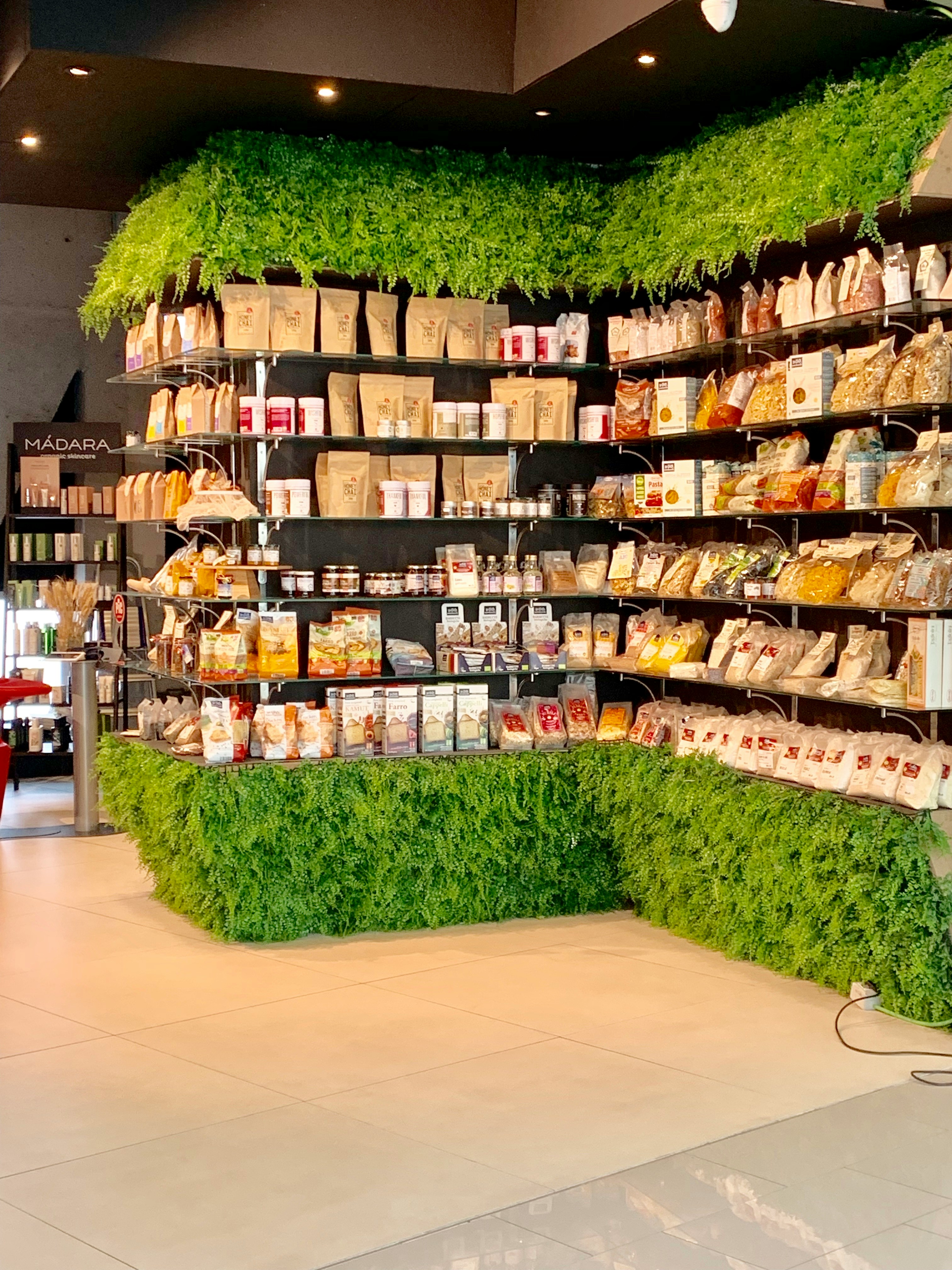
A grocery store display featuring natural groceries such as fresh fruits, vegetables, whole grains, and organic products arranged neatly on wooden shelves.
Discover how grocery store displays highlight natural groceries like fresh fruits, vegetables, whole grains, and organic products for healthier shopping.
Jan 31, 2026
Natural Groceries: How Fresh, Organic Foods Are Shaping Modern Grocery Stores
A grocery store display featuring natural groceries fresh fruits, vegetables, whole grains, and organic products neatly arranged on wooden shelves has become a familiar and welcoming sight for many shoppers. These displays reflect a growing interest in healthier eating, sustainability, and mindful shopping.
As consumers become more informed about food choices, natural grocery sections are playing a larger role in how people plan and shop for their weekly groceries.
What Defines Natural Groceries?
Natural groceries typically include foods that are minimally processed and made with simple, recognizable ingredients. Common items found in natural grocery displays include:
Fresh fruits and vegetables
Whole grains such as rice, oats, and quinoa
Organic packaged foods
Products with fewer additives and preservatives
These items appeal to shoppers who value transparency, nutrition, and food quality.
Why Natural Grocery Displays Matter to Shoppers
The way natural groceries are displayed can influence shopping behavior. Wooden shelves, open layouts, and clear labeling create a sense of freshness and trust.
Shoppers are drawn to displays that feel:
Clean and well-organized
Easy to browse
Visually appealing
Aligned with health-focused lifestyles
These environments encourage shoppers to spend more time exploring healthier options.
Health Benefits of Choosing Natural and Organic Foods
Many shoppers choose natural groceries to support healthier eating habits. Fresh produce and whole grains are rich in essential nutrients, while organic products often avoid synthetic pesticides and additives.
Incorporating natural groceries into weekly shopping can help:
Improve meal quality
Reduce consumption of overly processed foods
Support balanced diets
Encourage home cooking
Planning Your Grocery List Around Natural Foods
Shopping for natural groceries is more efficient with a plan. Knowing which fresh and organic items you need helps reduce impulse purchases and food waste.
A smart grocery list can help shoppers:
Track frequently purchased natural foods
Organize items by category
Plan meals using fresh ingredients
Avoid buying duplicates
Using a grocery list app like Grocery Buddy makes it easier to remember favorite natural products and build balanced grocery lists quickly.
Sustainability and Supporting Local Producers
Natural grocery displays often feature local and organic products, supporting nearby farms and producers. Choosing these items can reduce transportation impact and strengthen local food systems.
For many shoppers, buying natural groceries is not just about personal health it’s also about making more sustainable choices.
Making Natural Grocery Shopping a Habit
Adopting a natural grocery routine doesn’t require drastic changes. Small steps like adding more fresh produce or choosing whole grains can lead to lasting habits over time.
With thoughtful planning and helpful tools, shopping for natural groceries becomes simpler and more rewarding.
Final Thoughts
A grocery store display filled with natural groceries represents more than just food it reflects a shift toward healthier, more mindful living. Fresh fruits, vegetables, whole grains, and organic products give shoppers the confidence to make better choices.
By planning ahead and using tools like Grocery Buddy, shoppers can build grocery lists that support both their health and their lifestyle one trip at a time.