Test
Test
Test
Test

Test
Test
Test
Test
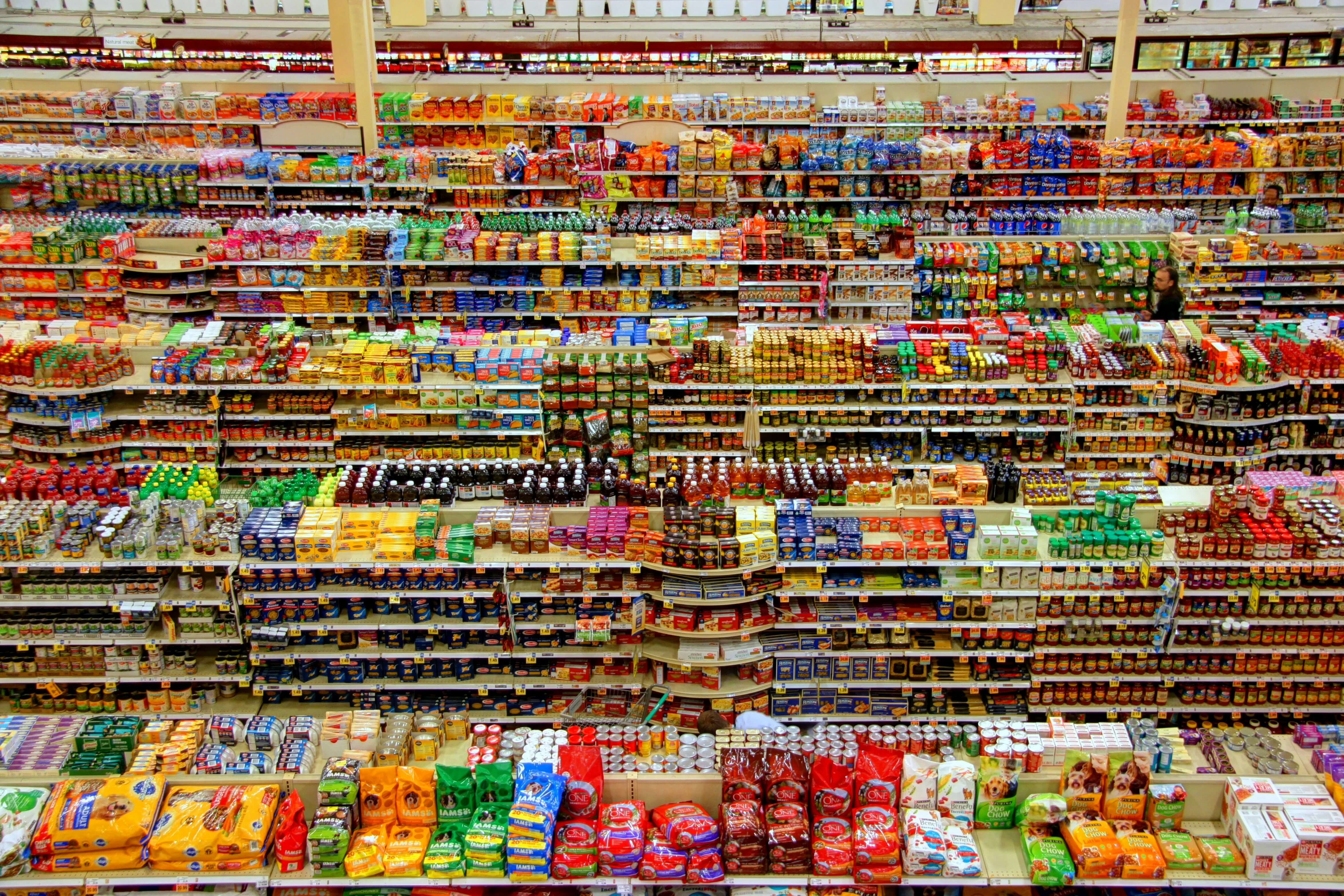
Fully stocked grocery store aisle with packaged foods and beverages on shelves.
Understanding How Shoppers Choose Packaged Foods and Beverages in Fully Stocked Grocery Aisles.
Jan 31, 2026
Fully Stocked Grocery Store Aisles: How Shoppers Navigate Packaged Foods and Beverages
Walking into a fully stocked grocery store aisle can feel overwhelming. Shelves lined with packaged foods and beverages offer convenience and variety, but they also present countless choices that can slow down shopping and lead to impulse purchases.
Understanding how to navigate these aisles efficiently helps shoppers save time, stay organized, and make better purchasing decisions.
Why Grocery Store Aisles Are Designed the Way They Are
Grocery store aisles are carefully organized to influence how shoppers move and choose products.
Packaged foods and beverages are typically arranged by:
Category (snacks, canned goods, beverages, cereals)
Brand recognition and popularity
Price tiers and promotions
Consumer buying habits
This layout makes it easier to find familiar items, but it can also encourage browsing longer than planned.
The Convenience of Packaged Foods and Beverages
Packaged foods play an important role in modern grocery shopping. They offer:
Long shelf life
Quick meal solutions
Easy storage
Consistent quality
For busy households, packaged foods and beverages help balance convenience with meal planning, especially when paired with fresh ingredients.
How Shoppers Choose Items in a Fully Stocked Aisle
When standing in front of shelves filled with options, shoppers often make decisions based on:
Brand Familiarity
People tend to reach for brands they recognize or have purchased before, especially when in a hurry.
Labels and Ingredients
Many shoppers now read nutrition labels, ingredient lists, and allergen information before adding items to their cart.
Price and Value
Comparing prices, package sizes, and promotions helps shoppers decide which product offers the best value.
Shelf Placement
Items placed at eye level are more likely to be chosen, while healthier or budget options may be higher or lower on the shelf.
The Challenge of Impulse Purchases
Fully stocked aisles can easily lead to unplanned purchases. Bright packaging, limited-time offers, and product placement all influence buying behavior.
Creating a grocery list before shopping is one of the most effective ways to:
Stick to essential items
Avoid overspending
Reduce food waste at home
Planning Ahead for Packaged Foods
Efficient grocery shopping starts before entering the store.
A well-planned grocery list helps shoppers:
Remember frequently purchased packaged foods
Avoid buying duplicates
Balance packaged items with fresh foods
Move quickly through each aisle
Using a grocery list app like Grocery Buddy makes it easier to track favorite products, organize items by category, and keep lists updated in real time.
Smarter Shopping in Modern Grocery Stores
As grocery stores continue to expand product offerings, shoppers benefit from adopting smarter habits:
Planning meals ahead
Checking pantry items before shopping
Organizing lists by aisle or category
Staying focused on essentials
These habits turn a fully stocked grocery store aisle from a distraction into a streamlined shopping experience.
Final Thoughts
A fully stocked grocery store aisle filled with packaged foods and beverages offers convenience, choice, and efficiency when approached with a plan.
By understanding store layouts, reading labels, and using smart grocery planning tools like Grocery Buddy, shoppers can navigate aisles confidently, save time, and make better choices every time they shop.