Test
Test
Test
Test

Test
Test
Test
Test
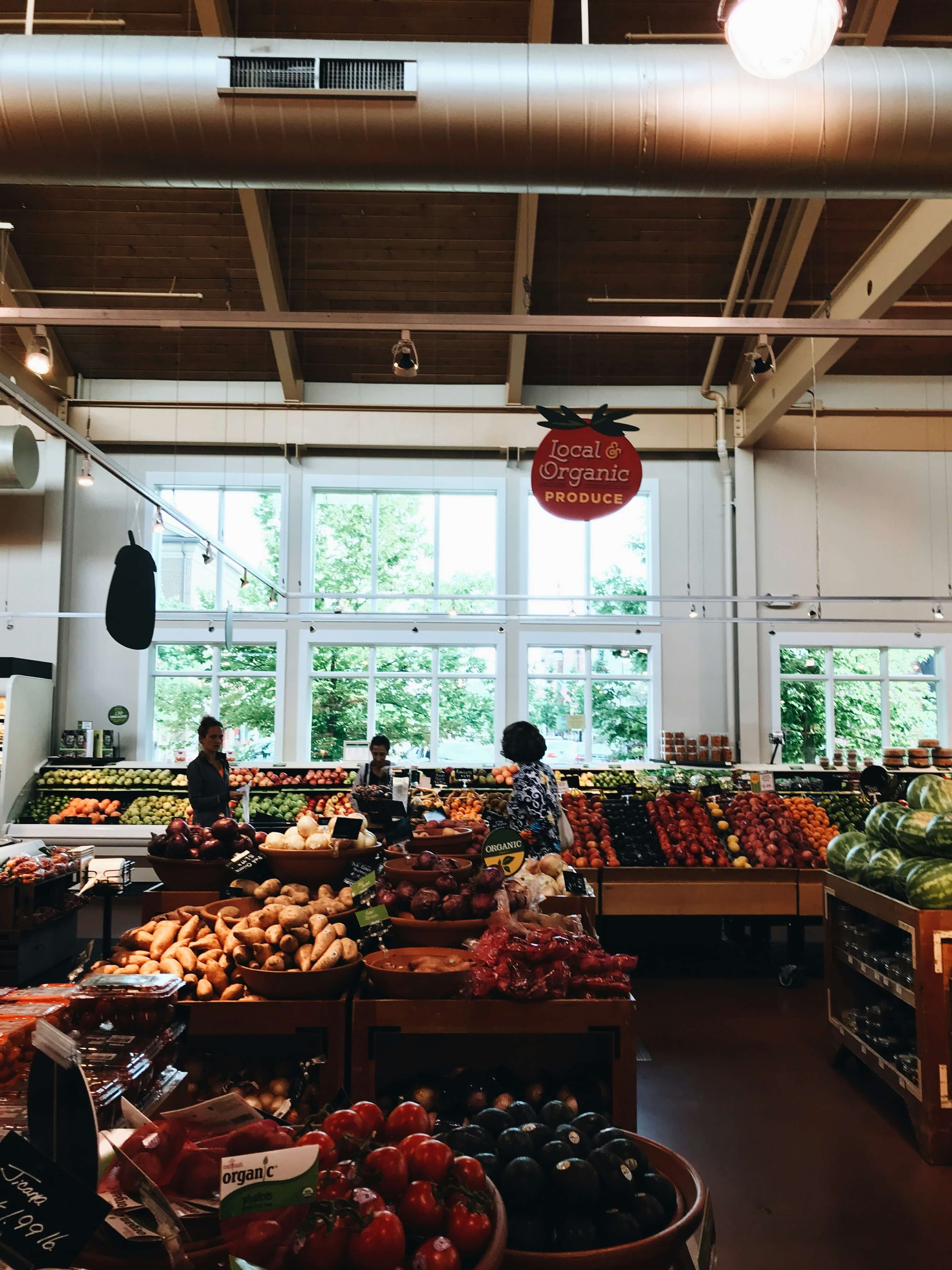
Shoppers selecting fresh local and organic produce in a grocery store market.
How Shoppers Select Fresh Local and Organic Produce in Grocery Store Markets.
Jan 31, 2026
Shoppers Selecting Fresh Local and Organic Produce in a Grocery Store Market
More shoppers than ever are choosing fresh, local, and organic produce when shopping at grocery stores. This shift isn’t just a trend it reflects growing awareness about health, sustainability, and food quality.
From farmers’ markets to neighborhood grocery stores, consumers are paying closer attention to where their food comes from and how it’s grown.
Why Local and Organic Produce Is Gaining Popularity
Shoppers are becoming more intentional about their grocery choices. Local and organic produce appeals to people who want:
Fresher fruits and vegetables
Fewer pesticides and additives
Better nutritional value
Support for local farmers and communities
Reduced environmental impact
Buying local often means produce is harvested closer to peak ripeness, resulting in better flavor and texture.
What Shoppers Look for When Choosing Fresh Produce
When selecting produce in a grocery store market, shoppers typically focus on a few key factors:
Freshness and Appearance
Bright colors, firm textures, and clean skins are signs of quality. Shoppers often avoid produce with bruises, wilting, or discoloration.
Seasonal Availability
Seasonal produce is usually fresher, more affordable, and better tasting. Many shoppers now plan meals around what’s in season locally.
Organic Labels and Certifications
Organic certifications reassure shoppers that the produce was grown without synthetic pesticides or genetically modified ingredients.
Country or Region of Origin
Local labels help shoppers quickly identify produce grown nearby, which often feels more trustworthy and environmentally responsible.
The Health Benefits of Choosing Organic Produce
Organic fruits and vegetables are often associated with:
Lower pesticide residue
Higher antioxidant levels in some crops
Cleaner farming practices
While both organic and conventional produce can be healthy, many shoppers feel more confident choosing organic options for foods they eat regularly.
How Grocery Stores Are Adapting to Shopper Preferences
Grocery stores are responding to demand by:
Expanding organic produce sections
Highlighting local farms and suppliers
Using signage to identify seasonal items
Offering clearer labeling for origin and farming methods
These changes make it easier for shoppers to make informed decisions quickly.
Planning Your Grocery List Around Fresh Produce
Selecting fresh local and organic produce is easier when you plan ahead.
A smart grocery list helps shoppers:
Prioritize fresh fruits and vegetables
Avoid impulse purchases
Build meals around produce already available
Reduce food waste at home
Using a grocery list app like Grocery Buddy allows shoppers to organize produce, remember favorites, and plan meals more efficiently before going to the store.
Making Sustainable Shopping a Habit
Choosing local and organic produce doesn’t require perfection. Even small changes, such as selecting a few organic items each week or choosing local produce when available, can make a difference.
Over time, these habits lead to healthier meals, more mindful shopping, and a stronger connection to the food we eat.
Final Thoughts
Shoppers who select fresh, local, and organic produce are shaping the future of grocery shopping. With better information, clearer labeling, and smarter planning tools, making healthier and more sustainable choices has never been easier.
By planning ahead and using helpful tools like Grocery Buddy, shoppers can enjoy fresh, high-quality produce while saving time and reducing stress in the grocery store.